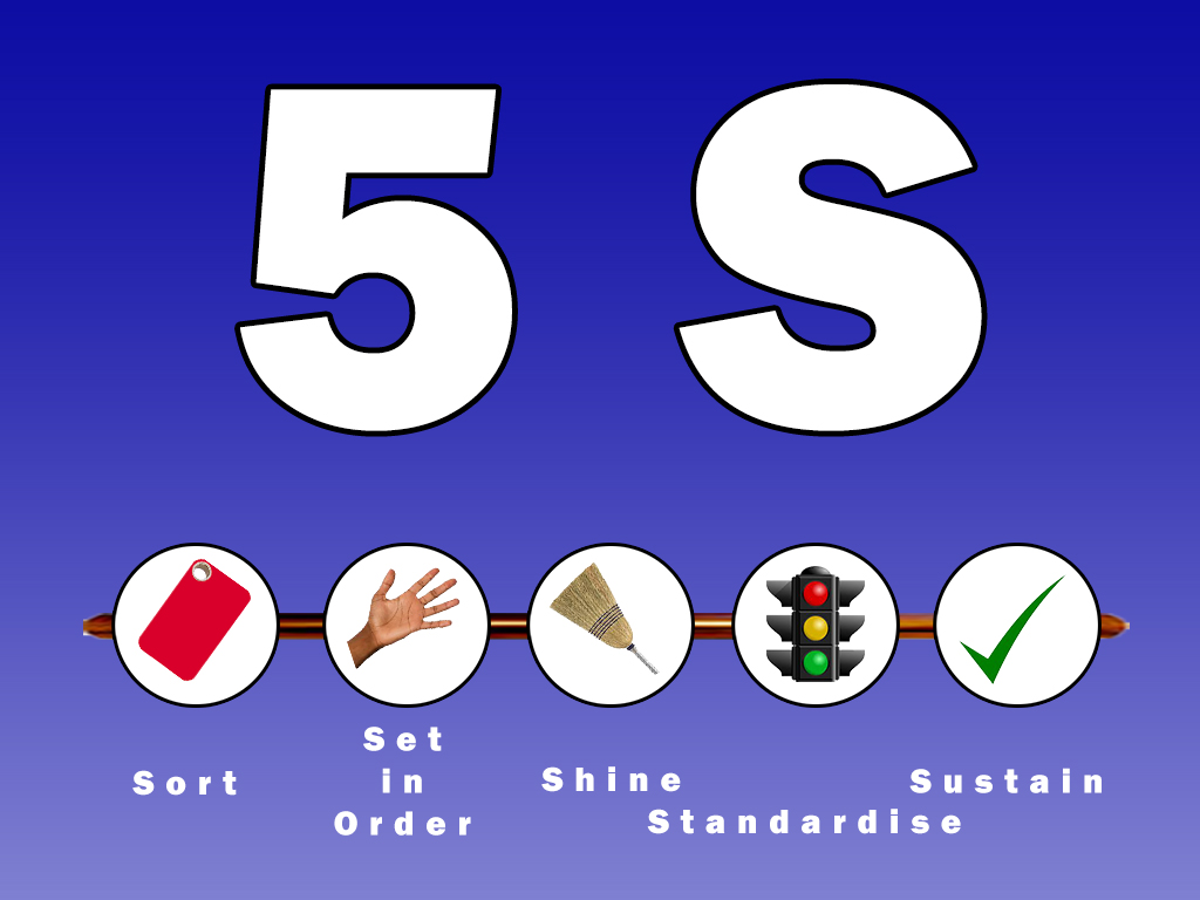
| Japanese | English | Viet Namese | |
|---|---|---|---|
| S1 | Seiri | Sort | Sàng lọc |
| S2 | Seiton | Set in Order | Sắp xếp |
| S3 | Seiso | Shine | Sạch sẽ |
| S4 | Seiketsu | Standardise | Săn sóc |
| S5 | Shitsuke | Sustain | Sẵn sang |
5S
In the Introduction to 5S we met the five steps and discoverd their names in Japanese, English and Vietnamese. Let’s remind ourselves óf what they are with another look at those words.
Following, I will give you an idea on how a successfully implemention of the 5S methodology will effect your efficiency. This will not be extensive as every situation in different workplaces will have many variations to look at and discover. However, an experienced 5S consultant can recognize these differences fairly quickly and assist greatly in an implementation. Like all things in life and business, good preparation is vital.
We Want to Create a World Class Environment
“Why” a World Class Environment
To Create
The correct mindset for all employees
A sense of pride in the workplace
Motivation in the workplace
To Improve
Efficiency
Performance visibility
Profitability
To Gain
A competitive advantage
Customer and regulatory compliance
An error free workplace
In our everyday life, in our employment and in our social life, we all tend to retain items needlessly and not discard enough, of all manner of things, that we do not use anymore. Whether you are that hoarder, have sentimental feelings towards inanimate items or have been instructed by others not to throw things away, we all keep useless items that just take up space, valuable space, especially when you are paying rent on it.
“It’ll come in handy one day” is a phrase we have all uttered. In fact, most of that junk, and yes it is junk, will never play a useful role in our lives ever again.
Left over pizza that will taste great for breakfast in the morning?
That pair of footy boots we kicked 4 goals in one day.
The bridesmaid dress that we wore to our former BFF wedding.
The screw driver that has half its tip missing.
THEY ALL NEED TO GO!
But firstly, consider this.
You will need All Employee’s to “buy in” to the idea of introducing 5S methodology into the workplace.
You need to have a strong Management Team in place when you seek employee “buy in” to the implementation of the 5S methodology at your company. This is essential, prior to any discussions with the employees’. However, we are warning you that, some people in your Management Team maybe the largest stumbling blocks in the entire process of firstly introducing the concepts of 5S and then implementing the methodology.
The current system is “their” system and they will be the ones that resist change vehemently and 5S is a major change. If you have a recalcitrant manager, cut the snake off at the head. Ditch them completely. If you, as the owner of the company or in your role of CEO think change needs to be made, you will not succeed with one person at a Senior level not being committed to the project.

Sort - S1

How do we Sort?
we remove all items not needed for current production or operations.
we leave only the bare essentials: “When in doubt, throw it out”. Use the 30 day Rule, if something has not been used in the previous 30 days consider removing it from the workplace .
we Identify these items, we will place a Red Tag on them to identify them.
Why do we Sort?
Space, time, money, energy and Human Resources can be managed and used more productively.
We reduce bottlenecks in our work flow.
It improves communication between workers and workers and management.
It raises product quality.
It increases productivity, we will not be busy, we will be productive.
It gives us back valuable floor space.
And all this Sorting is for greater profitability
We Sort to Avoid
Our workplace becoming increasingly crowded, dirty and disorganised.
Unneeded items getting in the way of quality production flow.
Time wasted searching for tools and other equipment.
Unneeded inventory.
Excess stock hiding production problems and defects.
Unneeded items and equipment making it harder to improve the process flow.
Busyness
Sort (S1) - A quick visual
It is time for us to use our imagination. I have not been to your factory floor, your garage or heaven forbid, your socks and jocks draw.
What commences below can be used as a simple training game to indicate some important key points in a 5S implementation.
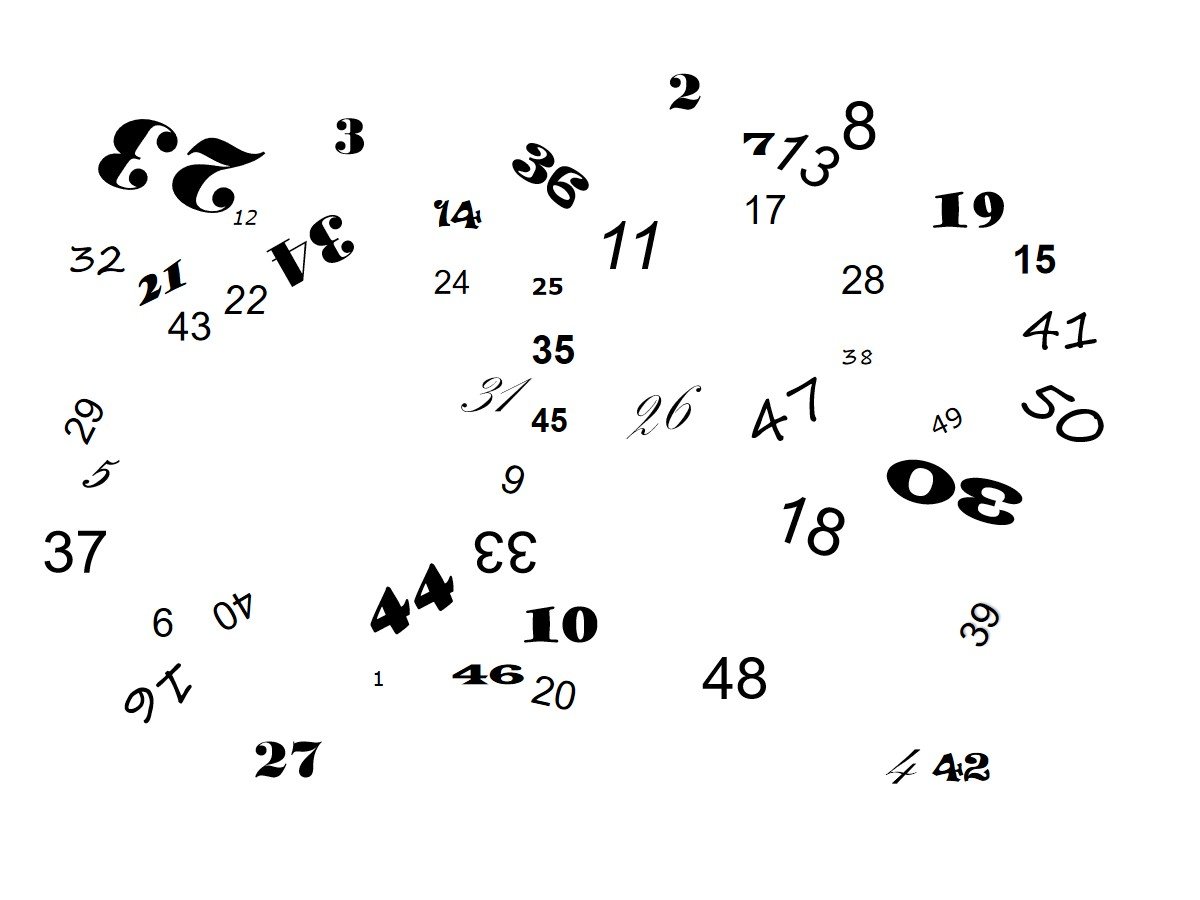
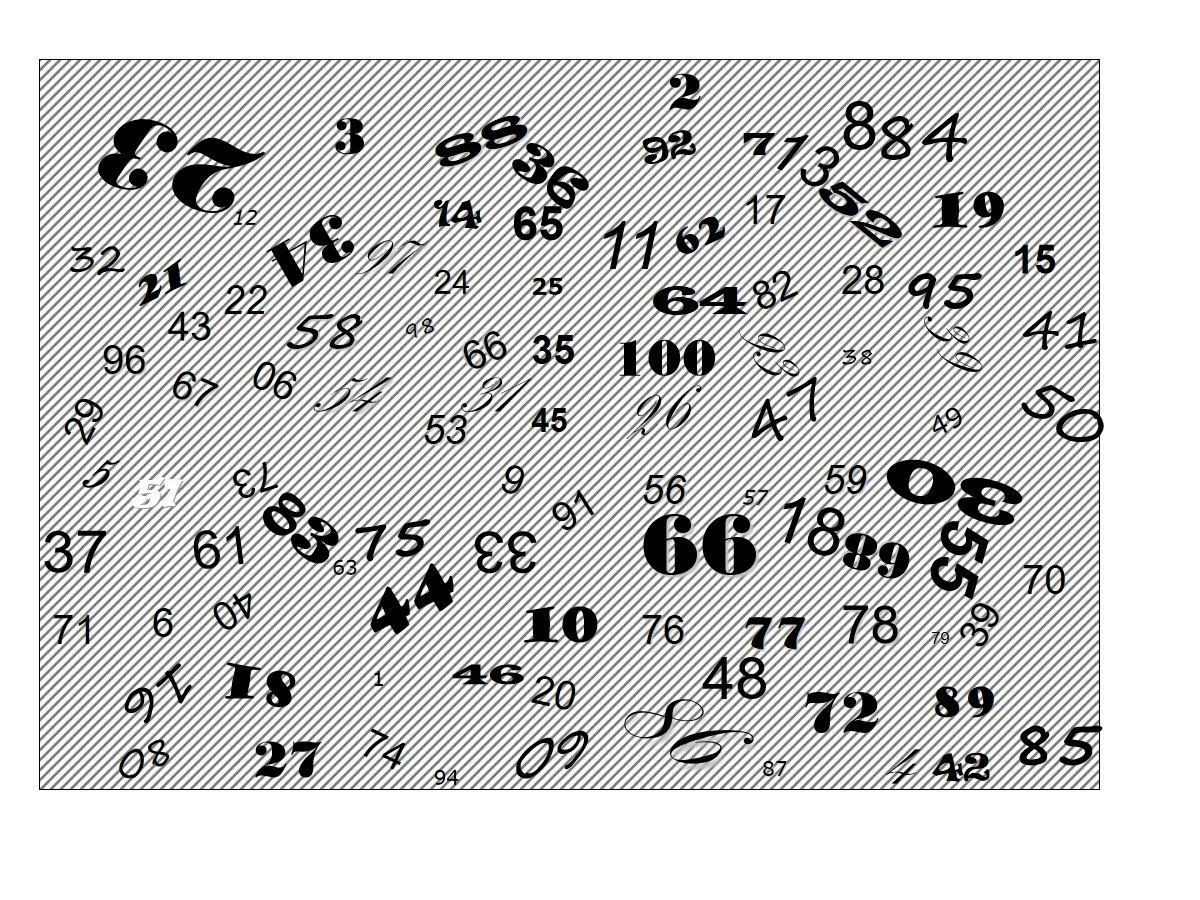
The below indicates the current status of the area in which we are considering an implementation of the 5S methodology.
OUR CURRENT FACTORY FLOOR
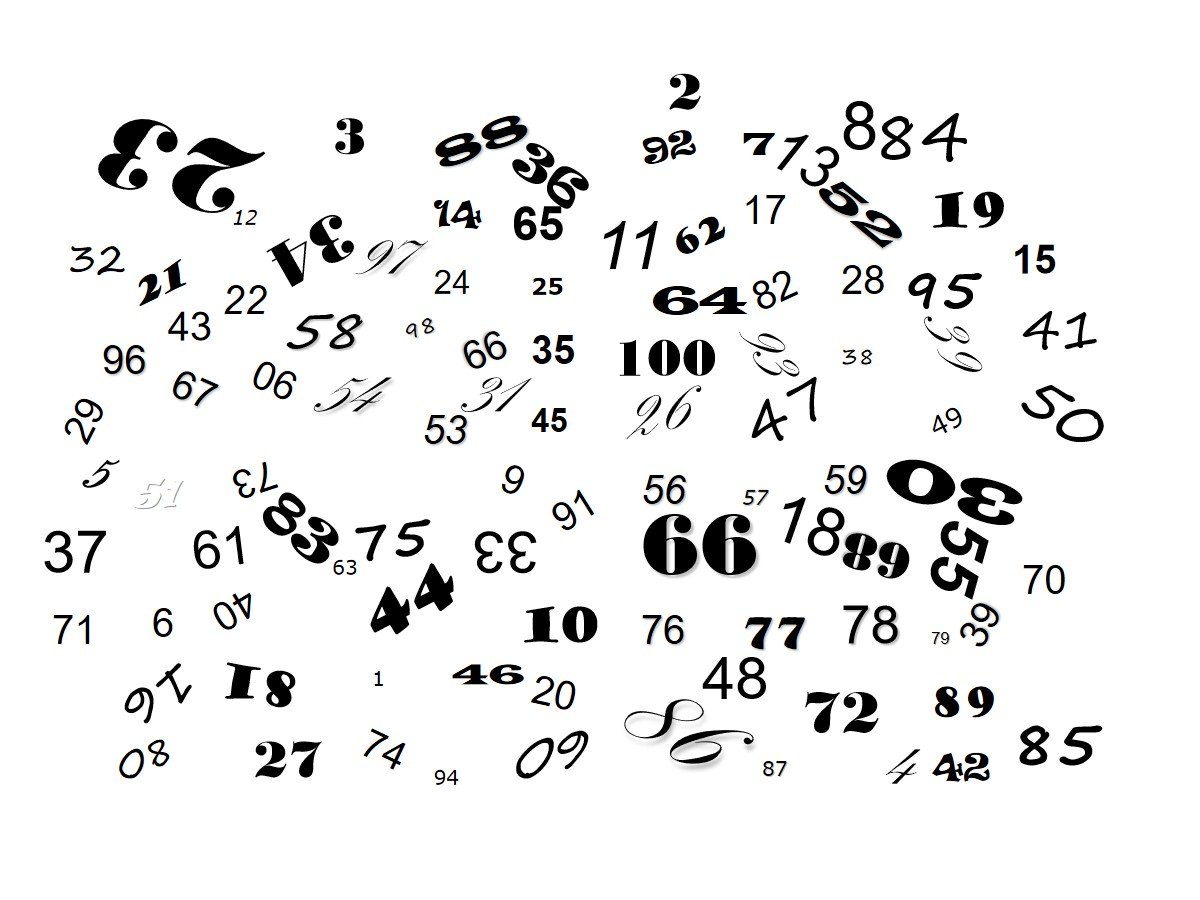
Now, on the above representation, locate and then note the location of the numbers 1 through 50 in sequential order.
Allow yourself 30 seconds to complete this task.
Right! Your 30 seconds are over.
How many numbers in your count from 1 - 50 did you “tick” off?
How did you feel when conducting this exercise?
What do you think made the “work place” difficult to move around in?
Did you find any Quality Control issue that either helped or hindered you?
The average person, doing this exercise, will “tick” off numbers 1 - 4 in the 30 seconds allowed.
I have had thousands of people complete this exercise and 2 people have reached the number 9.
Most people find this task daunting when first faced with it. The pressure on the individual increases as soon as you announce a 30 second time frame in which the task needs to be completed.
Most participants use the words crowded and messy when describing the scene that they are confronted with.
Now let’s look at some Quality Control problems.
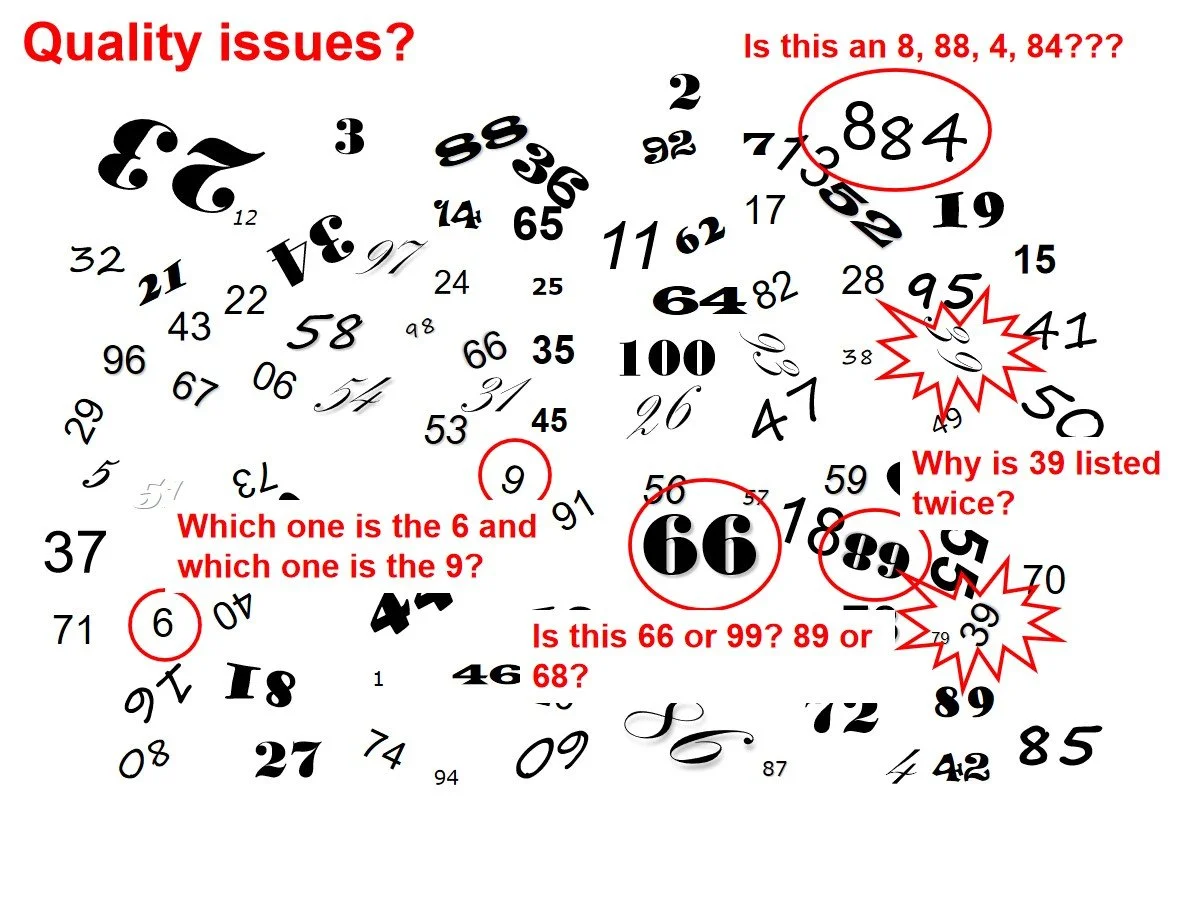
The questions posed in the slide above are unanswerable because no-one knows the answer.
This means that quality problems will continue to exist and they will exist becuase the bad quality is unrecognisable from the quality expected in the working conditions provided.
So where can we start to make our workplace a better place to work and to make our product meet acceptable quality standards?
We can start by applying S1, Sort.
S1 is Sort
Definition: To sort through, to sort out
Guideline: If it is not needed in the next 30 days, Red Tag it.
“When in doubt, move (or throw) it out!”
Method:
Place a Red Tag on the item and move it to the 5S Red Tag Holding Area
Red Tag items will be marked Who, What, Where and the date?
A Red Tag should not be removed by ANYONE.
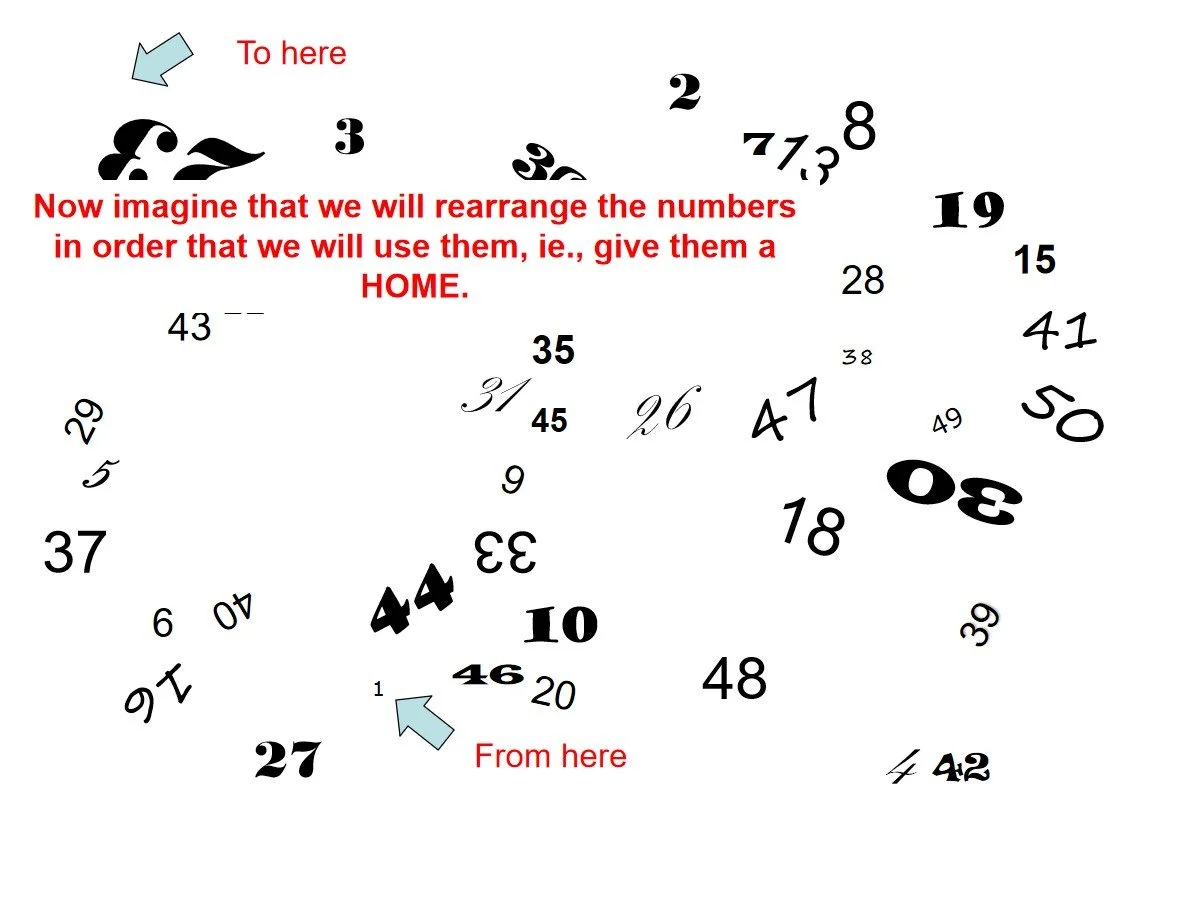
From our previous exercise, let’s Red Tag the numbers we do not need.
They are the number 51 - 100 and the duplicate 39.
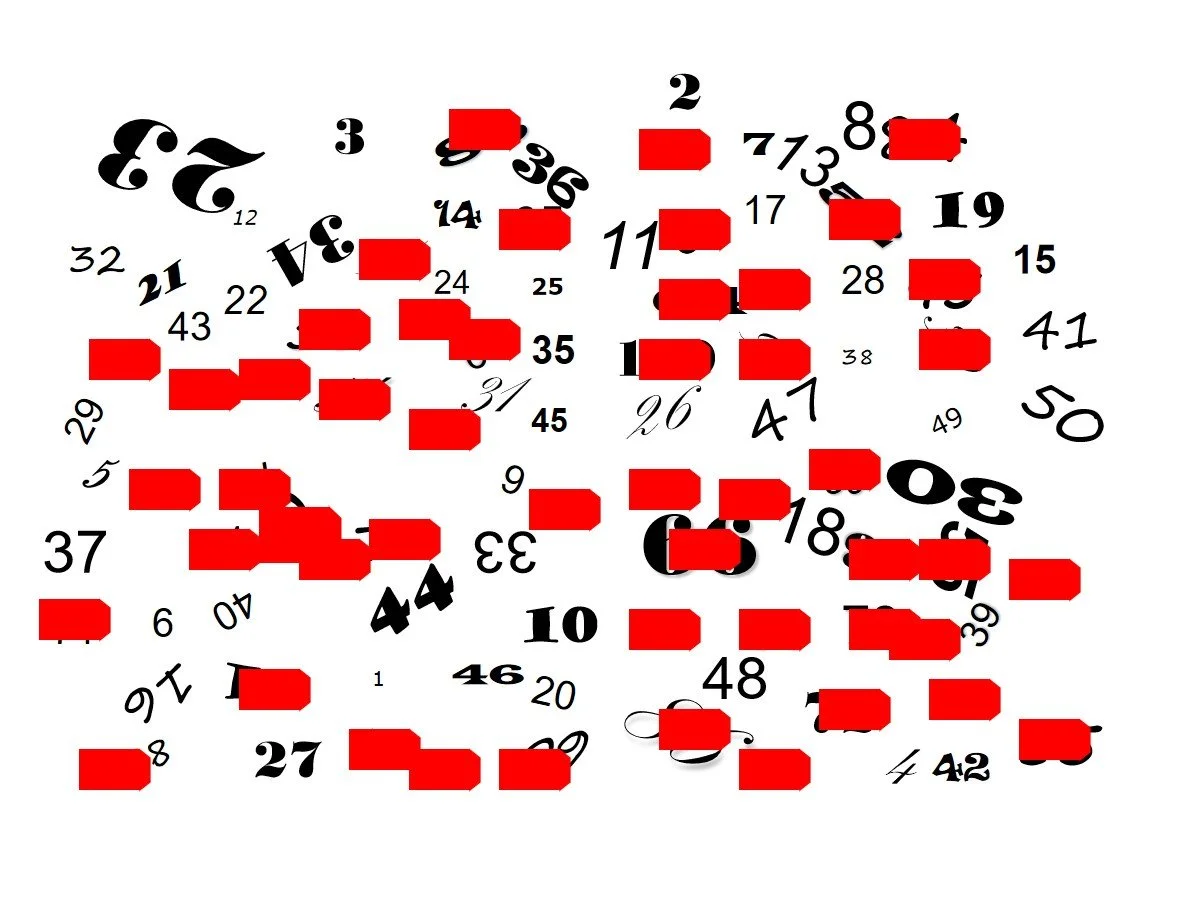
And now that the Red Tags have been applied let’s move the tagged items away from our workspace.
The items that were Red Tagged have been removed from the workspace. The actual workspace is immediately clearer, easier to negotiate and Quality Control is easier to perform making quality problems easier to recognise.
Set in Order - S2

“A place for everything and everything in its place”, is how myself and many other 5S professionals best like to describe the second part of the 5S methodology, S2, Set in Order.
We want to keep items and work flow in an organised way.
How do we Set In Order?
We arrange required items so that they are easy to locate & easy to use.
We label items so that anyone can find them and/or put them away.
We arrange purchases such as shadow boards to enable the above.
We purchase the correct tools and equipment to enable work to be carried our productively and not be busy.
Why do we Set In Order?
• To eliminate many kinds of waste, including:
• Searching waste.
• Waste due to difficulty in finding items.
• Waste due to difficulty in using items.
• Waste due to difficulty in returning items.
Overall reducing busyness and replacing it with productive methods
We Set In Order to avoid.
• Motion waste.
• Searching waste.
• Waste of human energy.
• Waste of excess inventory.
• Waste found by defective products.
• Waste found in unsafe conditions
Set In Order (S2) - A quick visual

The above diagram indicates that,
The tools and equipment we use the most often are the tools and equipment that is kept closest to us.
Eg., the tools we use daily are the tools kept closest to us
The distance from the worker to the equipment can increase in distance as the frequency of use declines.
Equipment types that are used to compliment each are normally kept in close proximity to each other. Eg., remember you cutlery drawer in your kitchen, like items are kept together and normally in close proximity to other items to them with, the cutlery kept close to the crockery.
The below indicates the current status of the work area after applying the “S1 -Sort” step of the 5S methodolgy.
Now as before, on this representation, locate and note the numbers 1 through 50 in sequential order.
Allow yourself 30 seconds to complete this task.
Right! Your 30 seconds are over (again).
How many numbers in your count from 1 - 50 did you “tick” off this time?
Did you feelings about completing the task change with this exercise?
Did you find any Quality Control issue that either helped or hindered you?
The average person, doing this exercise, will “tick” off numbers 36 - 40 in the 30 seconds allowed.
If you found Quality Control problems when completing this exercise it will be as you have high standards, those tricky 6’s & 9’s.
So how can we continue to make our workplace a better place to work and to make our products easily pass acceptable quality standards?
We can continue to improve our standards by applying S2, Set In Order.
S2 is Set In Order
Definition: To find the “home” for the items that we have retained after the application of S1
Guideline: What Remains Need a Home
“A Place for Everything and Everything in its Place”.
Organise items to make them convenient to find and get to, thus also making them easier to return and place away.
“if there’s no place for something we know we are not supposed to keep it there”
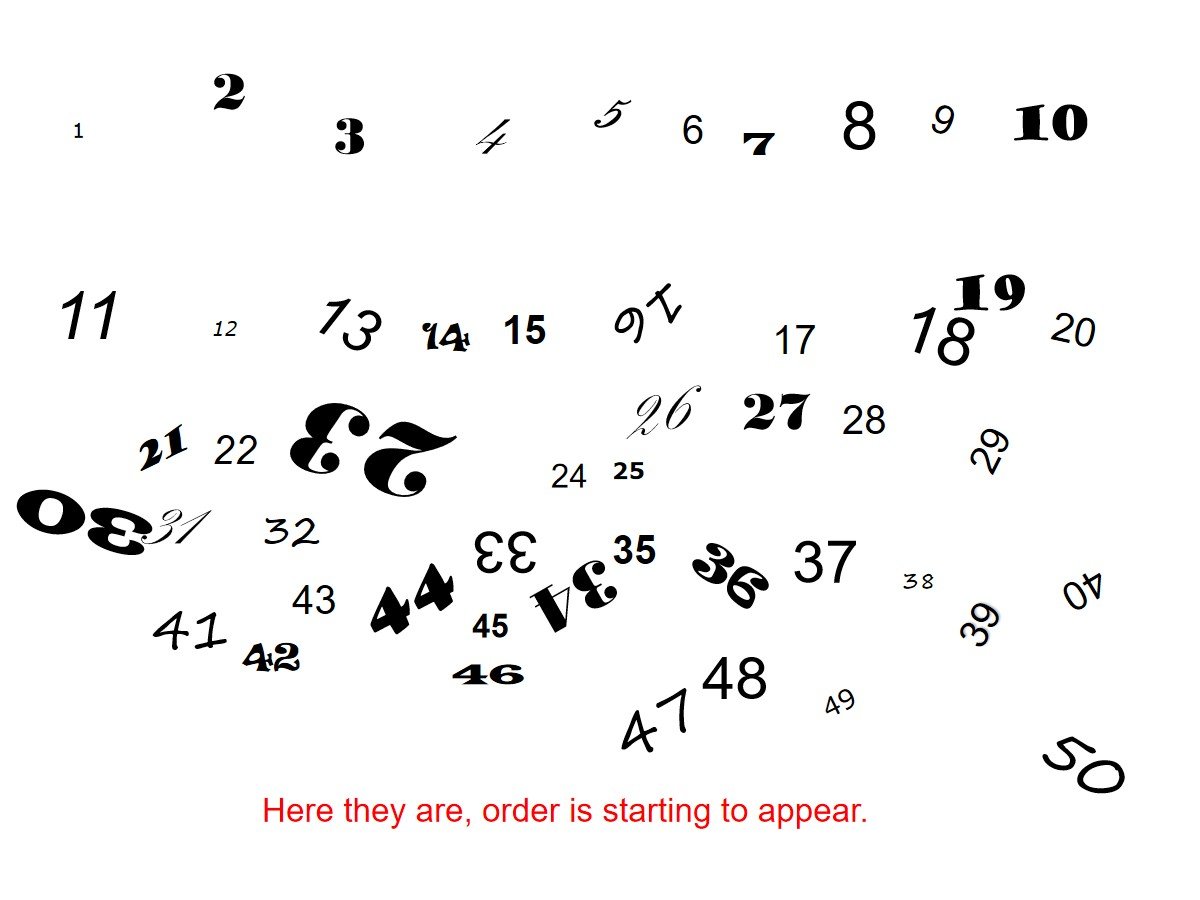
The items have now been placed in their “homes” and more order is appearing. You can do the 30 second recognition exercise here and you will see that you will have seconds to spare.
Just two simple exercises have been completed.
Our efficiency has increased and our productivity will also increase alongside that.
As our workplace clears our quality control procedures will also be easier to carry out.
Shine - S3
There are many business owners, Chief Executives Officers and General Managers who, when they first read, hear or are told about 5S, concentrate solely on S3, Shine. They feel that all the problems that they see in the production facility will be solved by having a Spring clean. I am a real big fan of having a very clean work place wherever you work. However, as we will discover, we can make the Shine process easier to complete and easier to maintain on an ongoing basis, because it must be maintained, in fact, we will do better than maintain the cleanliness achieved through Shine, we will adopt Continuous Improvement and get better at keeping the work place and equipment available and that will give everyone a better feeling to work their best by taking pride in their work place. It will not be a chore in itself just getting to work each day.

How do we Shine?
We keep everything, every day, swept, brushed and clean
Why do we Shine?
We Shine to turn the work place into a clean, bright place where everyone will enjoy working
To keep everything in a condition so it is ready to be used when required
We Shine to avoid
A lack of sunshine and fresh air that can lead to a lack of morale and inefficient work practices
Hidden and hard to detect defects
A dangerous work place caused by lack of cleaning with health and safety hazards in large numbers
Our machines, tools and equipment not receiving the maintenance and attention they need to operate at their capacity. Machines not receiving maintenance, break down, causing more defects and production down time.
S3 is Shine
Definition: Now that our work area has been cleared of unnecessary items and those items that do remain have been placed in order it is time to Scrub, Sweep & Straighten.
Guideline: Get items & work areas to a “like new condition“, this includes immediate maintenance and planing future maintenance.
Again, everyone participates.
Make is Simple
Get you Cleaning Supplies (all)
Make your schedules
During Shine, if something is found that may become an issue in the future, fix it now or planned to have it fixed as urgent.
During our SHINE process, we will also prepare for the future, we will prepare lists for both Cleaning and Maintenance,
Daily Tasks
Weekly Tasks
Monthly Tasks
Other periods
Annual Tasks
For Shine, we will make sure that the numbers are in good working order and that the work areas that they are placed will allow them to remain so.
Let’s start to SHINE
S4 - Standardise
Some International standards that make life easier for all are braille, the International Maritime Signal Flags, A4 (and other) paper sizes and the Hazard symbol. See it, know what is means and use it all of the time. The most recognisable standard in the world is the red card used in football. It has a place in a 5S implementation as well.
Companies all over the world strive to be granted certification from the International Organisation for Standards which strangely for an organisation all about standards uses the acronym ISO. If we strive to recognise an international standard we should also strive to develop, implement and maintain our own company standards and our own personal standards.
The importance of standards has been known for a long time with the following quote being one of the finest pieces of knowledge I attempt to have everyone in an organisation understand,
"The standard you walk past is the standard you accept. If that does not suit you then get out"
- Lieutenant-General David Morrison
It emphasises that Leaders set the tone for acceptable behavior and performance in their organizations. It suggests that inaction or a tolerance of poor standards signals acceptance of those standards to others.
How do we Standardise?
When we integrate Sort, Set in Order and Shine. We create a unified “whole”.
Why do we Standardise?
To ensure conditions do not deteriorate to their former state and to create the unified “whole” from the succesful first three S’s.
To not waste the efforts from the first three S’s implementation
So that everyone can immediately recognise and act when somethng is amiss. Our workplace becomes “visual”.
We Standardise To Avoid
Conditions returning to the their old, undesirable levels.
Work areas becoming dirty and cluttered.
Tool storage becoming disorganised.
Clutter again accumulating over time.
Backslide occurring and becoming busy.
These standards that we will establish should ensure that the work we have performed by implementing the first three steps of the 5S methodology are repeated (and repeated) again and again as well as being improved upon by staying alert to Continuous Improvement.
S4 is to Standardise
Definition: We need to have Standards for the first 3 S’s: Sort, Set In Order and Shane.
Guidelines: Make up and list the rules for the first three of our S’s and then we make sure that these rules are followed and enforced.
During this process consider that we will require company wide rules such as color coding, signage and replenishent policies.
Develop the list(s) of rules for engagement and enforcement.
Make the Standards easy to follow
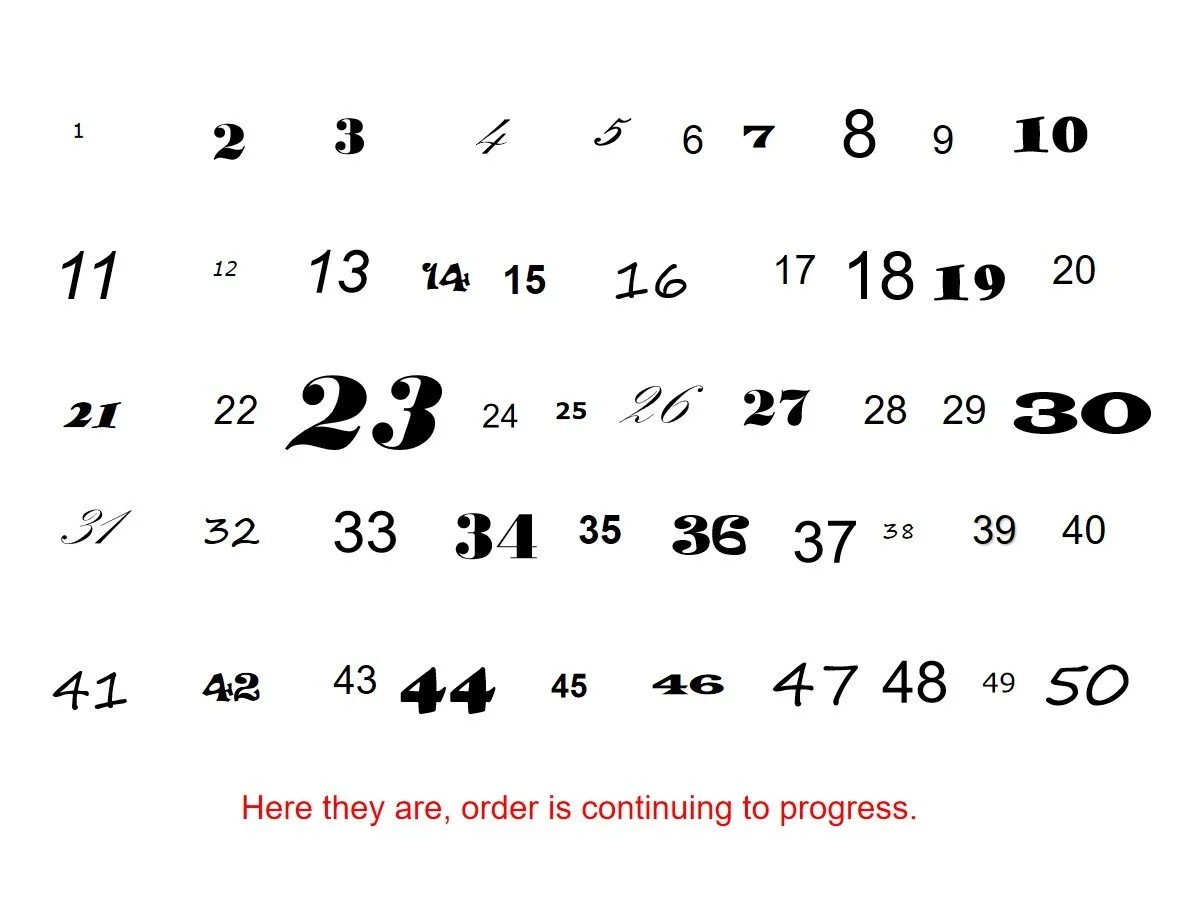
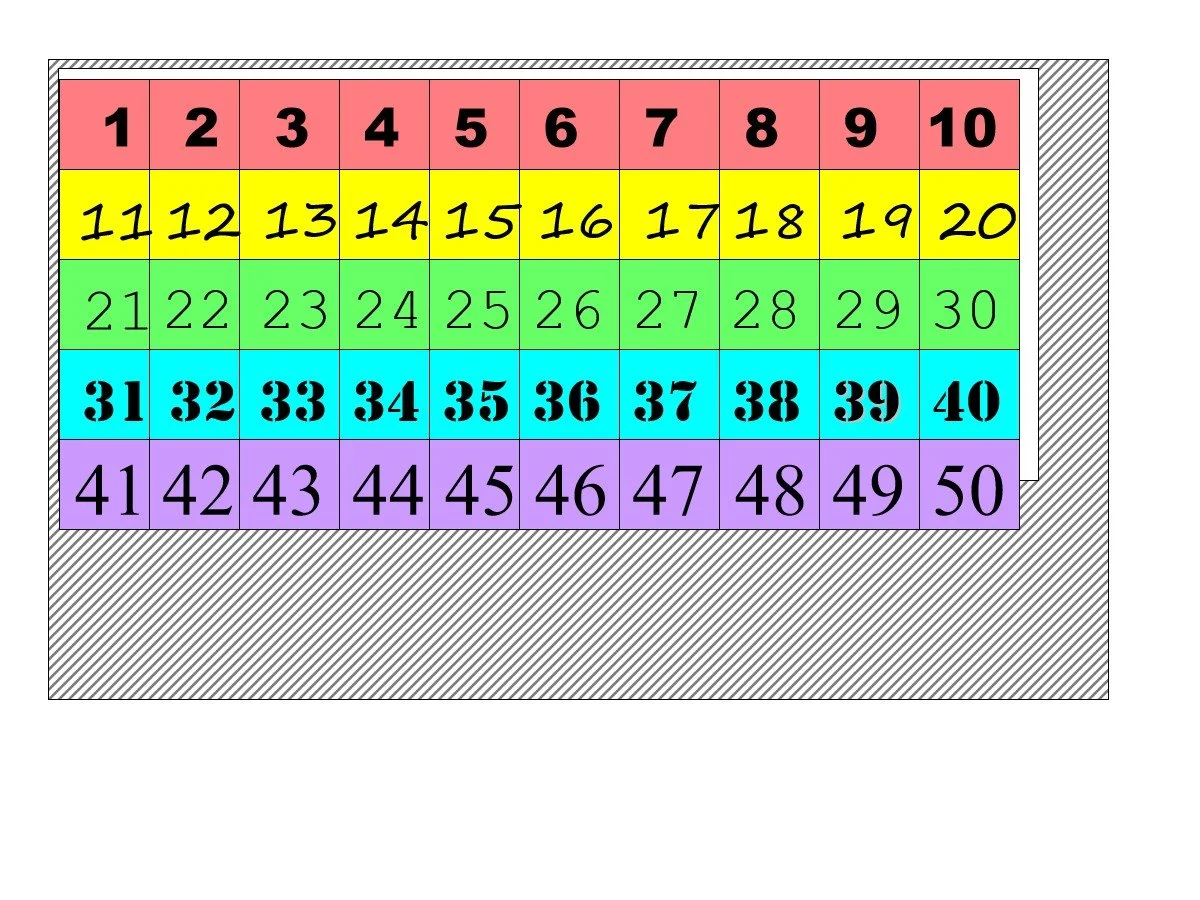
In our continuing exercise we will begin to Standardise.
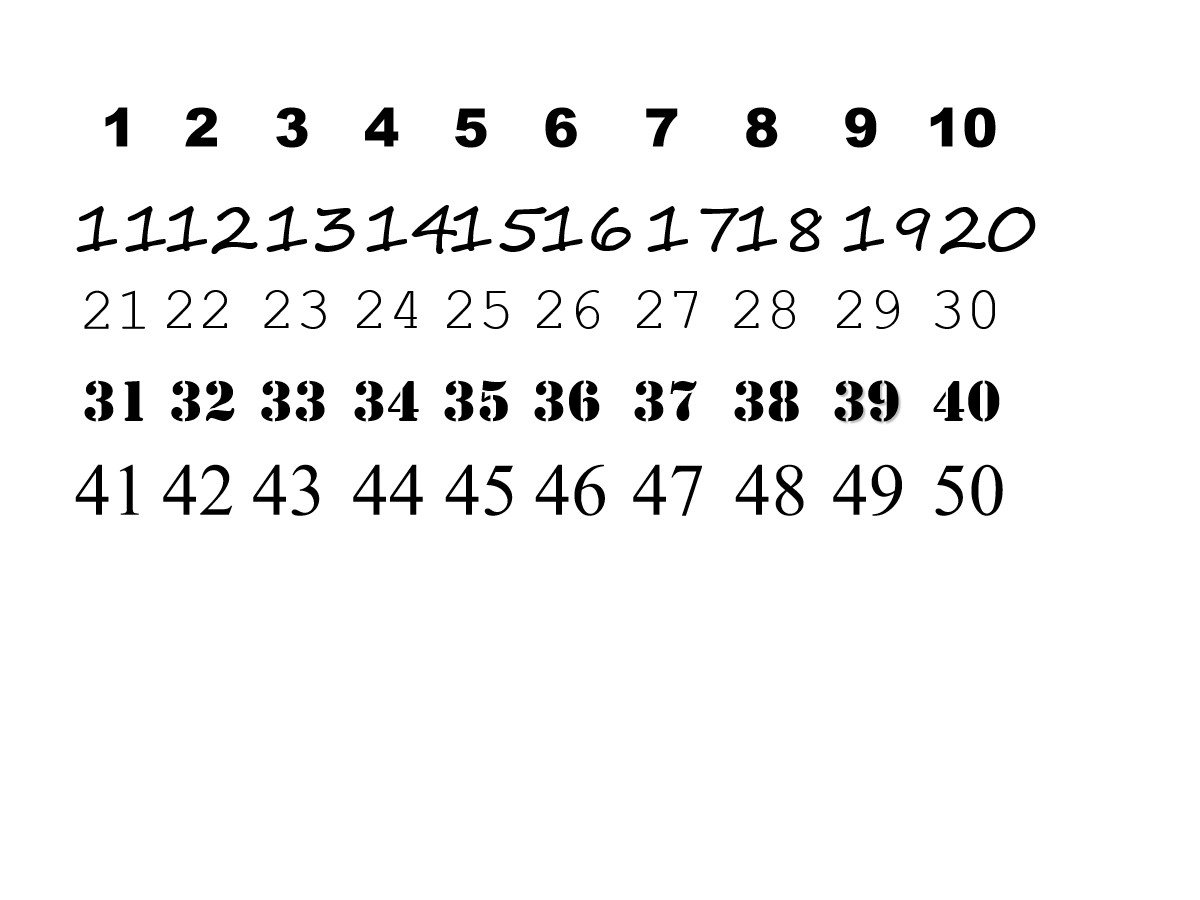
In our workspace, we have made 2 simple standardisations. We have standardised our font size and our font styles.
Apart from continung to look increasingly tidy and organised, now that we have started to standardise, the actual area used by the workspace is visually smaller.
We can now consider using this reclaimed workspace to expand our current production lines or to consider new production lines.
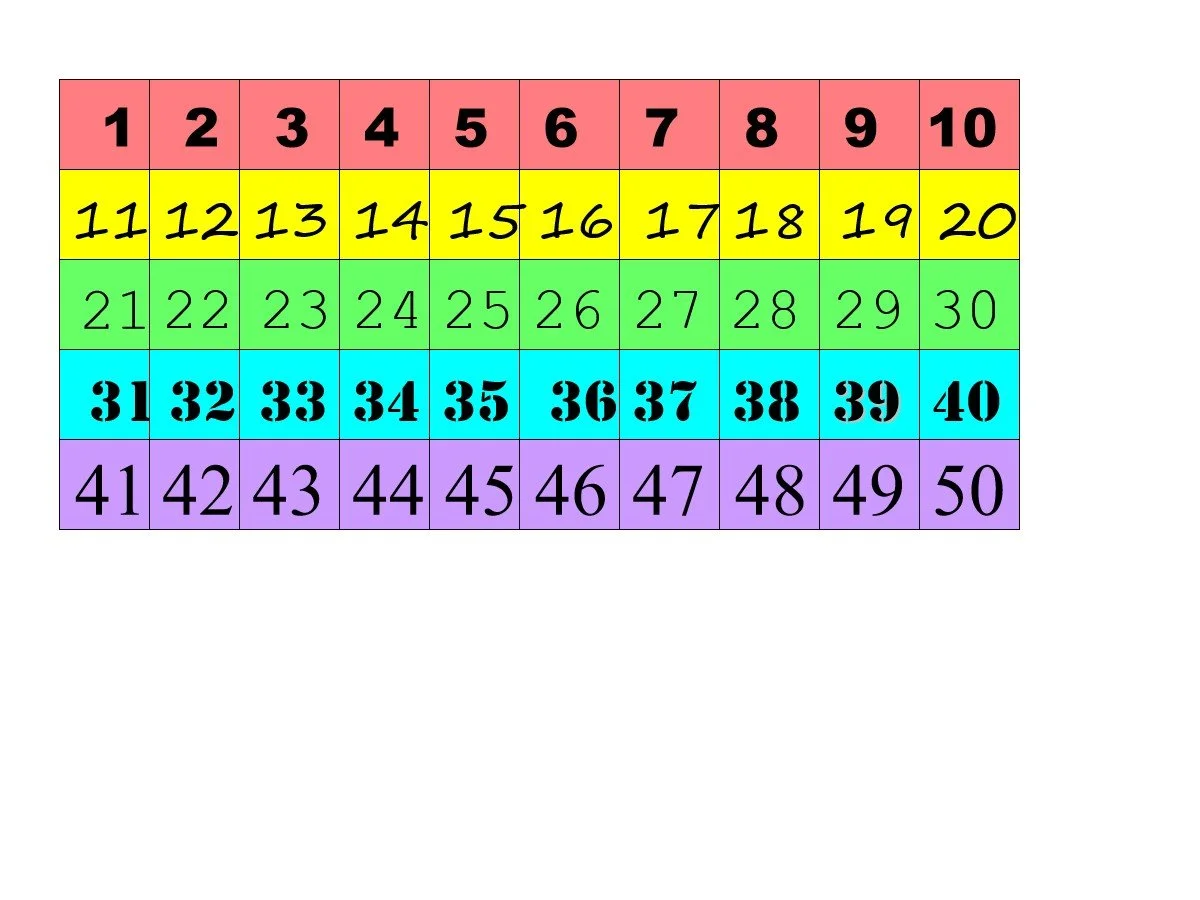
Some color coding and lines are really making our workspace look very organised. We have created a visual workplace where errors and misplacements are easily recognised.
The benefits of this standardisation can be seen when we conduct a simple Quality Control examination.
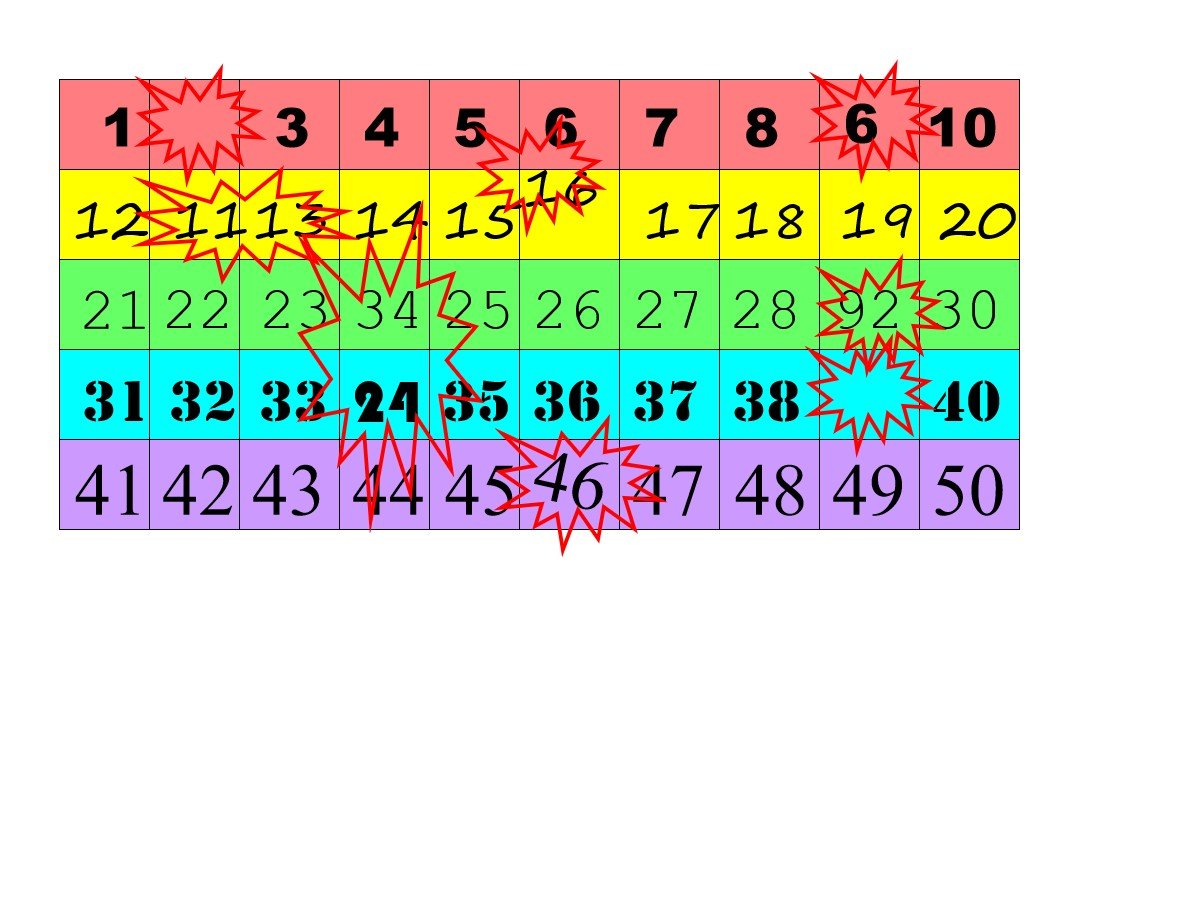
What are the Quality Control problems that we can see here?
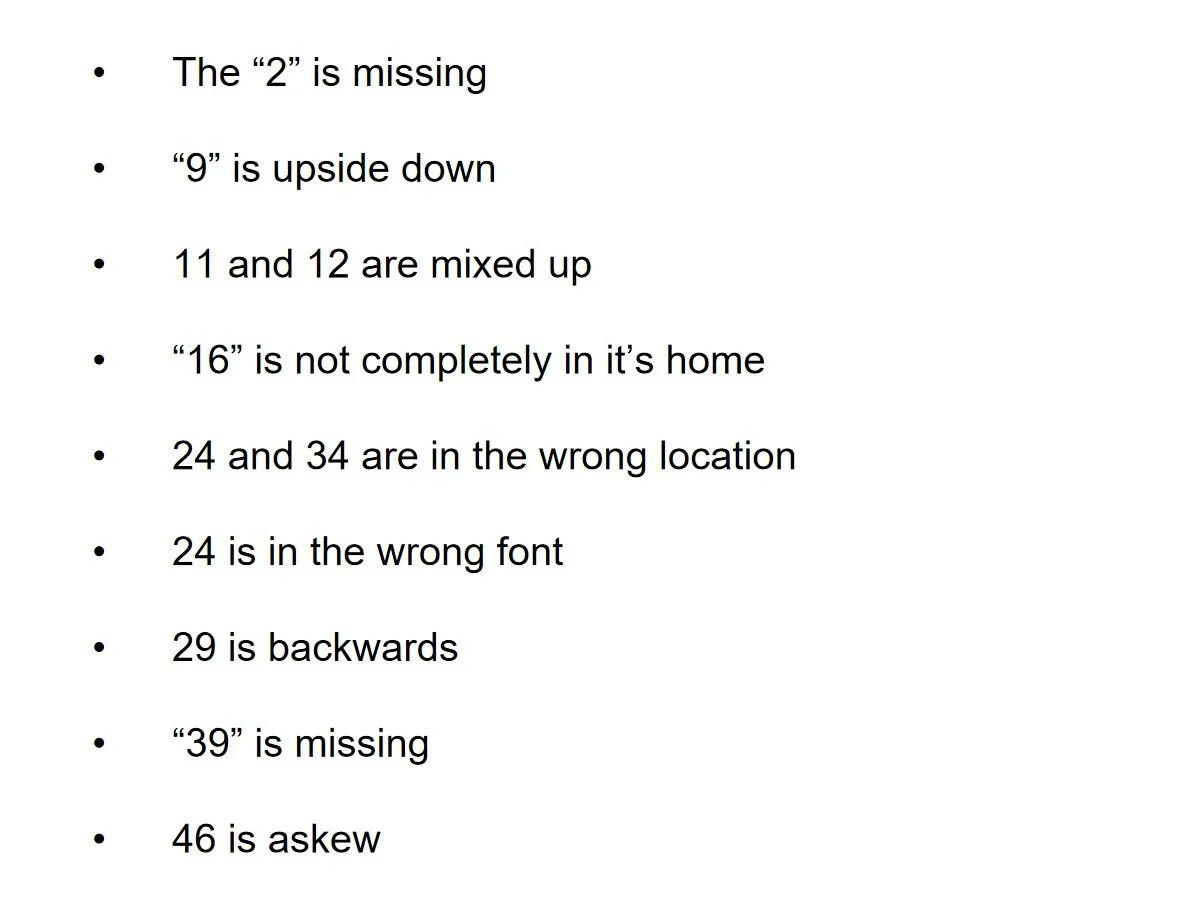
How did you know?
Was it the visual clues?

S5 - Sustain
As we have stated, having an organised work place such as we have demonstrated here, can really assist a “Quality Control” standard to our work place and not just to our product. Furthermore, we have empowered every worker and every Manager,owners and CEO to observe the work place continually and soak in the improvements but also be the most important person the the room, our work place 5S Quality Controller. This is how we Sustain.
How Do We Sustain
By making it a habit to properly maintain the correct procedures.
To place the discipline necessary inside everyone’s head to avoid backsliding.
By making sustenance fun and rewarding to participate in.
Why Do We Sustain
Because the consequences of not keeping to the course of action we have undertaken is greater than the consequences of adhering to it.
We Sustain to Avoid
Tools and jigs not getting returned to their designate “home”.
Unneeded items piling up
No matter how dirty and equipment and workplace becomes, nothing is done to clean it.
Equipment and tools being left in hazardous positions.
A loss of worker morale by having to work in a dark, dirty and disorganised workplace.
Our workplace becoming busy rather than becoming productive.
Before
Excess Materials
Excessive searching time
A large, untidy workspace
A cluttered workspace
An unsafe workspace
A workspace in which Quality is difficult to recognise & control
Before & After
After
The correct quantity of all materials
Minimal search time
Less area is used and what is used is easily negotiated
The workspace is clean, neat, and organised
The workspace is bright and is safe to work in
A workspace in which quality problems can be recognised and acted upon quickly
Before
After
We have had a walk around our premises and recorded out initial observations on waste, we have also looked at some anecdotes of what to look for when identifying waste and finally, we have undertaken a simple exercise looking at how a 5S implementation would work. I want you to now look at some of the major road blocks that will be placed in your way when you even introduce the idea of change.
